Thanks to Steve Cale

Autumn approaches & our wildlife prepares for winter
Dear all,
At last we have some warm weather for both us humans & our wildlife. With the wettest spring on record it’s no surprise that it has effected our wildlife greatly. Conservation bodies nationally, are alarmed by the huge drop in insect numbers this summer, basically it appears caused by excessive numbers of insect eggs, caterpillars, grubs & pupae not making it successfully to the adult stage of life due to the wet. I know in my own garden having monitored insect levels over the past 10 years how low numbers of butterflies, bees, hoverflies & other insects are. Normally this stage in the year, on a warm July day in my garden I can usually count at least 10 maybe 11 or more species of butterfly, this year I’m seeing 5, being lucky if I can get 6 on any given day & the numbers of each species are worryingly low. The knock on effect of this is yet to be seen on our birds & bats that feed on insects but I have seen one report of people finding emaciated bats that are starving, & a villager who runs a moth trap some evenings to monitor our local moths tells me that his catches this year have been very poor. Incidentally the moths are not harmed they are released after being Identified & counted.
Many of our summer migrant birds have returned to breed this spring, but in much lower numbers than ever before in some cases, with House Martins, Swifts & Swallow numbers being very low across the country. The wet weather has created unusually high water levels on many of the wetland reserves within the county resulting in large scale breeding failures in many of our wading birds due to nests being flooded.
On the flip side of that coin, our Song Thrushes have had a good breeding season & we have had at least 6 singing males holding territory & presumably breeding. Certainly the ones that come to my garden have raised at least 2 broods of young & the fact many were still singing in mid July would indicate that some tried to raise a third brood. They primarily feed small young on earth worms & the wet weather has enabled them to get lots for their nestlings. Later in the summer as the young fledge they are fed many snails & again the wet has given them plenty to go at.
So, as we move into autumn & us humans want to tidy the garden, leaving wild undisturbed areas in your garden has never been more important. Many creature live in areas of long grass, with moths & butterflies & a host of other insects laying eggs on & in grass stems & plant stalks. Hedgehogs live under hedgerows & in bramble patches or wood piles as do Wood Mice, beetles & many other creatures. If you do cut down long grass & flower stems a great idea is to pile these in a quiet part of your garden into what are known as habitat piles. Mini hay stacks if you like. Here, Insect eggs, larvae & pupae can survive the winter & hatch out next spring. These are also great places for bumble bees to hibernate & nest next spring. These along with wood piles will also be used by Bank Voles & Wood Mice to hibernate in. Wood piles & stone piles are also used by toads, frogs & newts to hibernate & can be ideal if left undisturbed through winter & all are great friends to us gardeners eating masses of slugs & other garden pests. A tip to help conserve our insect is if you get any come into your house, rather than kill them, when they are attracted to a window simply pop a glass over them, slide a piece of paper under the glass trapping the insect in the glass & then let it outside. We need all our insects as ultimately it is they that pollinate our crops for our food & despite what many people think, wasps, fly’s, beetles & many other insect are all pollinators.
In your garden as summer comes to an end keep an eye out for odd warblers like Blackcaps, Chiffchaffs & maybe Whitethroats attracted to feed on Blackberries in the hedges. They gorge on fruit to fatten up prior to migration when they rapidly burn up body fat in long flights. Swallows & Martins will start to move away from breeding sites & gather on wires or roofs from early August onwards & the Swifts will soon be departing for wintering grounds in Africa. You can help Swifts by installing a swift box on your house eaves although they are a bit fussy & don’t like bungalows as they prefer a little height between nest sites & the ground. They often breed in older rooves, often traditional sites where they have nested for many years, so if you are lucky enough to have swifts in your roof & you have work done ensure that this modern bird guard is not installed by your tradesmen.
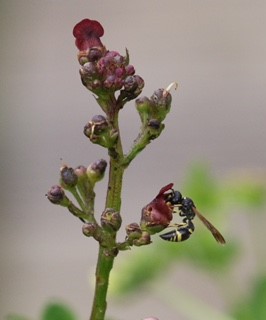
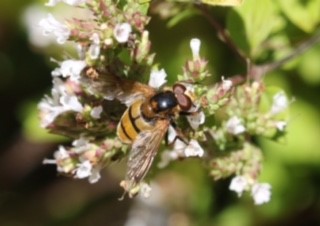
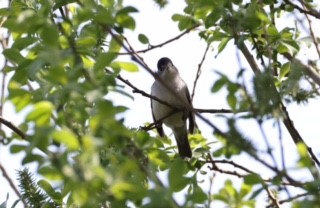
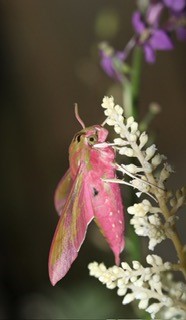
Here are a few photo’s of village wildlife I have taken recently for you to enjoy. If you really begin to look , you will be amazed at what we have on our doorsteps.
Steve Cale
 Colkirk Parish Council